

In 1991, Rabbi Shlomo and Miriam Bentolila arrived in the former Zaire – now the Democratic Republic of the Congo – to direct what is today Chabad-Lubavitch of Central Africa. Headquarters for Jewish communities ranging from 100 to 1,000 strong across a wide swath of the continent, the operation now serves approximately 12 African countries, and over the past 20 years, its footprint and role in the region has grown to better serve the individual needs of Israeli expatriates, European businessmen and women, American travellers, and locally-born Jews.
“What we’ve become today, after years of work, is a Jewish address for Sub-Saharan Africa,” he said.
The High Holidays, which began last week with the Jewish New Year of Rosh Hashanah, has been no exception. Groups of rabbinic students were dispatched from New York to locations throughout Africa to run prayer services and raise awareness and exposure to the Jewish holidays. They set up shop in such far-away places as Nigeria, Ghana, Angola, Namibia, Kenya, Tanzania, Equatorial Guinea and Sierra Leonne, presiding over various programs both ahead of and during the holidays. (Yom Kippur, the holiest day on the Jewish calendar, begins this Friday night.)
According to Bentolila, the arrival of the young bearded rabbis is something people look forward to.
“Sometimes, when you don’t have access to organized Jewish life, and you find yourself in another country, you feel the need more,” he explained.
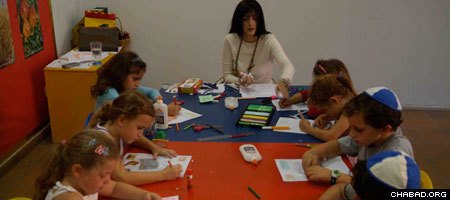
This year’s Jewish educational opportunities around the High Holidays included services in several synagogues in Kenya and Namibia, and in Kinshasa, where Bentolila is headquartered, as well as educational activities for children and adults. The focus, he said, has been on helping people learn more about the various High Holiday customs and traditions, especially the blowing of the ram’s horn known as a shofar. Community leaders, Israeli ambassadors and other dignitaries took part in the activities, which were held at hotels and embassies around the region.

As the Chabad center marks its 20th anniversary this year, it continues to expand its reach: It held a large gala dinner at which two new centers were committed for the region.
“People are astonished to find out that we have prayers every day, that we have kosher meat in town,” said Bentolila, who caters frequently to adventure and business travelers, and has had years of experience with the constant flow of people and e-mail requests. “We get questions from worried mothers, worried wives, and businessmen coming to Africa and worrying about what will happen with their Judaism. Then they find out that we don’t only have a Chabad House but we also have a rabbinical college with 10 student rabbis who learn here the whole year.”
People find themselves unexpectedly alongside a synagogue and a yeshiva, and also a home away from home. Bentolila ticked off stories of helping get people in far-flung areas kosher matzah and wine at Passover, arranging for businesspeople who need help with transport, and making sure anyone who steps into the community is well taken care of for all their various needs. And, of course, Friday nights find upwards of 40 people around the table, eating traditional Sabbath food and singing inspirational melodies.
It’s entirely possible to raise Jewish children in Africa, he noted, explaining that it’s a question he frequently gets asked. It’s a different scene, no doubt, but children are, he pointed out, raised not in the streets but brought up in the house. As for the exotic nature of their surroundings, the Bentolilas manage just fine.
“There’s no lions, there’s no tigers, but there’s mosquitos all year round,” he laughed. “But we got used to them.”




Start a Discussion